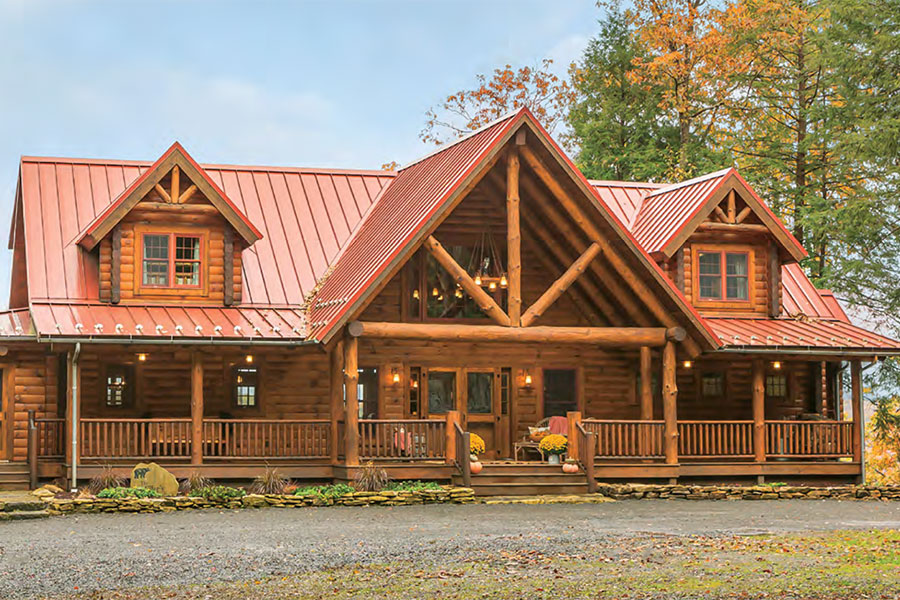


Building a new home or renovating an existing one? Energy efficiency is paramount, and that starts with the right insulation. Choosing the right insulation can significantly impact your energy bills, your comfort levels, and even the environmental footprint of your building. This is where advanced insulation materials come into play.

Key Takeaways:
- Advanced Insulation Materials offer superior thermal performance compared to traditional options, leading to significant energy savings.
- Various types of advanced insulation cater to different building needs and budgets, each with unique properties and applications.
- Proper installation is crucial to maximizing the effectiveness of any insulation material, regardless of its advanced properties.
- While initial costs might be higher, the long-term savings from reduced energy consumption usually justify the investment in Advanced Insulation Materials.
Advanced Insulation Materials: Aerogel
Aerogel, often called “frozen smoke,” is a remarkably lightweight yet incredibly effective insulator. Its unique structure traps air, creating an exceptional barrier against heat transfer. While historically expensive, advancements in manufacturing have made aerogel more accessible for certain applications. Its use is frequently found in specialized areas like high-performance windows, and in spaces requiring superior thermal protection, such as cryogenic storage facilities. However, its fragility limits its suitability for all types of construction.
Advanced Insulation Materials: Vacuum Insulated Panels (VIPs)
Vacuum Insulated Panels (VIPs) represent another leap forward in insulation technology. These panels consist of a core material, usually a silica aerogel or a high-performance foam, encased within a vacuum-sealed envelope. The vacuum significantly reduces heat transfer through conduction and convection, leading to exceptionally high R-values. This makes them ideal for applications where space is at a premium, such as in walls, roofs, and even within the framework of certain types of prefabricated buildings. VIPs are more expensive than conventional insulation but provide substantial energy savings over their lifetime. Us understanding their proper installation is essential for achieving optimal results.
Advanced Insulation Materials: Phase Change Materials (PCMs)
Phase Change Materials (PCMs) offer a unique approach to insulation. These materials absorb and release significant amounts of thermal energy as they change phase (typically from solid to liquid and back). This means they can effectively buffer temperature fluctuations throughout the day, reducing the heating and cooling loads on a building. PCMs are often incorporated into other insulation materials or applied as coatings. While still a relatively new technology in widespread building applications, their ability to moderate temperature swings presents substantial potential benefits for energy efficiency. Further research and development are likely to broaden the application of this promising technology.
Advanced Insulation Materials: Spray Polyurethane Foam (SPF)
Spray Polyurethane Foam (SPF) has been a popular choice for insulation for several years, and improved formulations continue to raise the bar in thermal performance. It offers a seamless application, eliminating gaps and air infiltration common with other methods. High-density SPF provides excellent thermal resistance and acts as a vapor barrier, preventing moisture damage to the building structure. SPF is versatile; suitable for both new construction and retrofits, although careful attention to application technique is vital to achieving optimal results. However, potential safety concerns with the chemicals used and proper ventilation during installation need to be addressed and adhered to.
The selection of the optimal insulation material depends on various factors, including the climate, building design, budget, and specific performance requirements. Careful consideration of these factors, along with the guidance of experienced professionals, ensures that the chosen insulation solution will provide both optimal energy efficiency and long-term value for your building project. The upfront cost of advanced insulation materials often proves justifiable when considering the substantial savings in energy costs and increased comfort over the structure’s lifespan.