
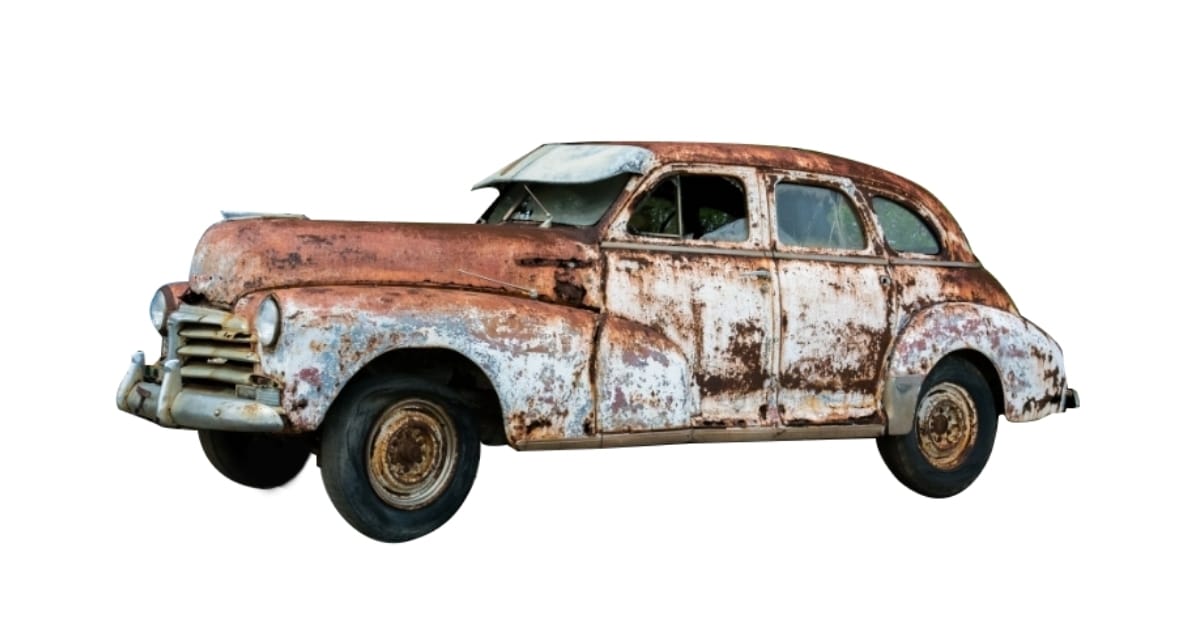

In an era where sustainability is more than just a buzzword, the ability to recycle and repurpose has taken on significant importance. Among the myriad items that can be recycled, cars—or specifically junk cars—stand out as a sizeable source of reusable materials. When vehicles reach the end of their life, they can still provide considerable value in the recycling market.
Understanding the Value of Junk Cars in the Recycling Industry
The notion that junk cars are worthless is a common misconception. In fact, the automotive recycling industry is one of the oldest and most successful recycling sectors in the world. A vast majority of a vehicle’s parts can be recycled, with metal components being especially valuable due to the ability to melt them down and repurpose them into new products.
It is not just about scrapping metal; many components within a junk car, such as the engine, transmission, and electronics, can be refurbished or reused. This extends the lifespan of automotive parts and reduces the need for new resources. The rubber from tires, plastics, and even the upholstery find their ways into new products, making junk cars a goldmine for recyclable materials.
Moreover, specialized companies actively seek out these vehicles, assessing them for salvageable parts and metals. Locating a reputable recycler of junk cars can transform what appears to be a heap of metal into a profitable venture with minimum effort. The demand for recycled materials ensures that your old vehicle maintains its value.
However, the actual value of a junk car depends on various factors, including make, model, age, and condition. Recyclers evaluate these aspects to determine how much they are willing to pay, highlighting the importance of understanding the worth of your vehicle.
How to Determine the Worth of Your Junk Car
Assessing the worth of your junk car begins with researching the current market values for scrap metal and spare parts. Since prices fluctuate, it’s important to have up-to-date information. A call to local scrap yards can provide a baseline for what recyclers are currently paying on a per-ton basis.
Next, taking inventory of your car’s salvageable parts can add to its overall value. Components such as GPS systems, alternators, and even undeployed airbags can be sold separately, often fetching better prices than scrap metal. The vehicle’s make, model, and year will impact the demand and value for these parts.
Factors such as the condition of the car—its operability, the damage it has sustained, and the presence of rust—will also impact the final valuation. While a fully operational car is worth more, even those that are inoperable have value due to the metals and reusable parts.
Some recyclers may offer more for a car that can be driven to the location rather than having to be towed. It’s important to calculate if the cost of towing will reduce the overall profit from recycling your vehicle.
The Environmental Impact of Recycling Cars and Salvaging Parts
Recycling junk cars has a significant positive impact on the environment. It conserves natural resources by reducing the need to mine new metals and produce new parts. Automotive recycling saves an estimated 85 million barrels of oil each year, which would have been used in the manufacturing of new or replacement parts.
Addressing concerns over landfill waste, recycling junk cars also means that less automotive waste ends up in landfills. By salvaging parts and materials, we reduce the overall footprint of automotive disposal. Even toxic fluids and hazardous materials can be handled properly, ensuring they don’t contaminate the environment.
Step-by-Step Guide to Selling Your Junk Car for Cash
Selling your junk car for cash is a straightforward process, but it requires some preparation. First, gather all necessary documents, including the title of the vehicle. This proves ownership and is often required by recyclers and junkyards. Next, remove personal belongings and make sure that the car is ready for inspection.
Research to find reputable recyclers or junkyards in your area. Inquire about towing services if your car isn’t operational; some places offer to tow for free as part of the deal.
Before finalizing the sale, be clear about the payment. Ask whether you’ll receive cash on the spot or if there will be a delay in payment. Make sure all agreements are in writing to protect yourself from any potential misunderstandings.
Lastly, after the sale is complete, notify your insurance company to cancel any policy on the car, and return license plates to the DMV if necessary. This will prevent any future liabilities related to the vehicle.
Altogether, recycling your junk car is a process that can yield economic and environmental advantages. It’s a win-win scenario for both you and the planet.